
Members of the WASP International working Group on Coercion In Psychiatry
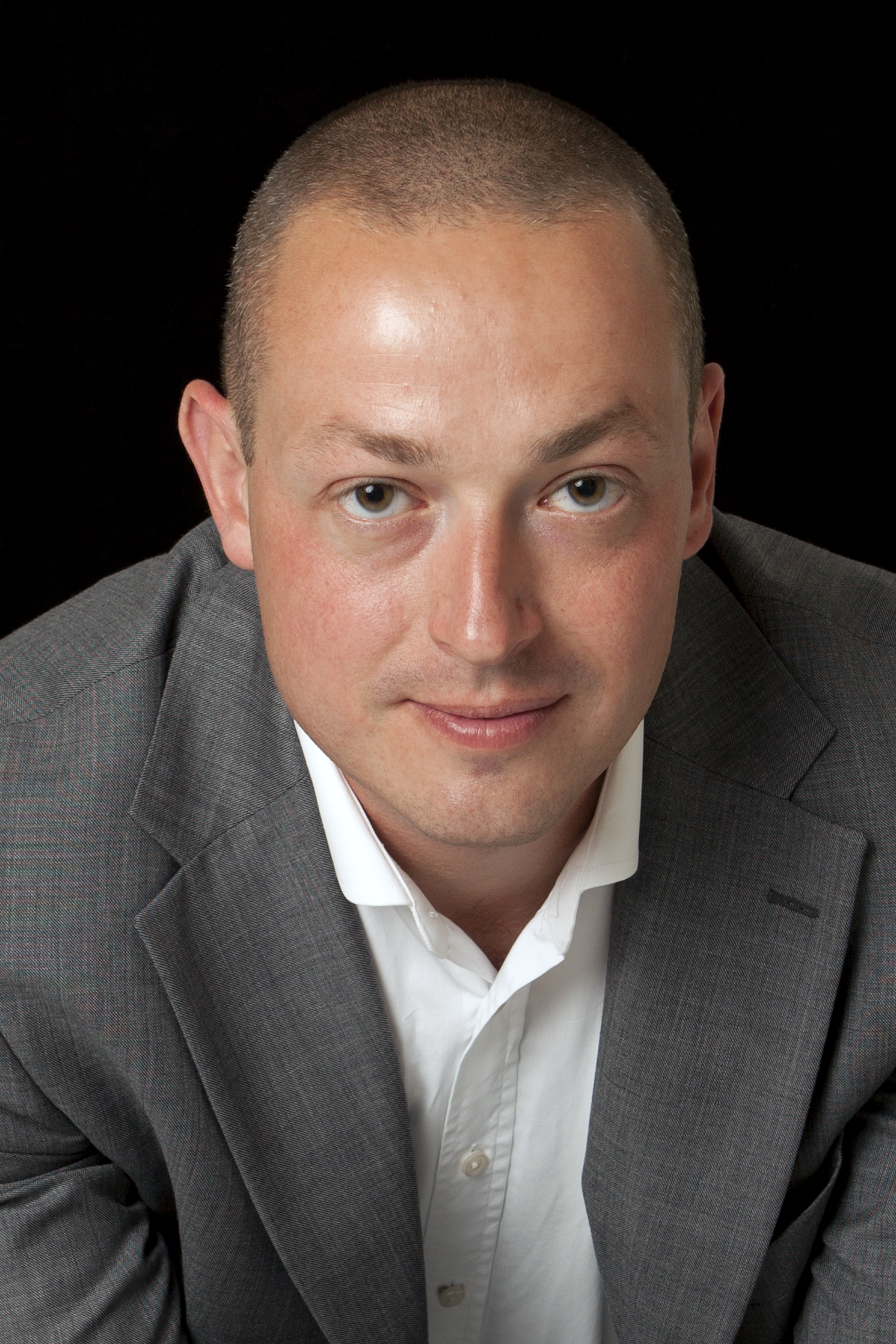
Andrew Molodynski is a consultant psychiatrist at Oxford Health NHS Foundation Trust and honorary senior lecturer at Oxford University, UK. He has worked in community psychiatry for fifteen years and been actively involved in research in the field for ten. The main focus of his research has been with the social psychiatry group in Oxford.
He has also published on social and occupational functioning in people with severe mental illness and on different forms of service provision. He has co-authored a book on coercion and book chapters on assertive outreach, coercion, and adult safeguarding and published a number of articles in peer-reviewed journals. He is the chair of the World Association of Social Psychiatry working group on coercion and coordinates their website (www.coercioninpsychiatry.com) which aims to provide education and links for interested parties.
Due to his ongoing commitment to integrating clinical practice and research, Andrew has taken on the role of NIHR lead for mental health research in the Thames Valley and South Midlands.

Domenico Giacco
I am a Professor of Psychiatry at the Warwick Medical School. I have led a number of research projects funded by the National Institute for Health Research, European Commission, Economic and Social Research Council and UKRI Research England.
My work focuses on: reducing social isolation of people with psychosis; improving support for family members of people with severe and acute psychiatric conditions; reducing coercion and improving patient and carer experience of mental health care; co-designing changes to mental health services to increase access and improve experience of care for people from minority ethnic and migrant backgrounds; developing effective ways of screening for mental health problems and providing mental health support in school and in communities; managing transitions in care between child/adolescent and adult mental health services; reducing recurrence of self-harm in people with mental health problems.
My research generated >100 scientific publications (articles, book chapter and policy documents), >£10,000,000 grant funding and has had impact on mental health policies in England and internationally. This impact includes evidence on most effective and cost-effective ways of organising mental health services (COFI study, see grants’ list); developing models for implementation of family involvement and shared decision making practices in acute psychiatric care (CAPRI and ImprovE studies); establishing policy guidelines for mental health care for migrants and refugees (https://www.euro.who.int/__data/assets/pdf_file/0004/386563/mental-health-eng.pdf).
Dr Roy Abraham Kallivayalil is Vice- Dean and Professor & Head, Department of Psychiatry, Pushpagiri Institute of Medical Sciences, Thiruvalla, Kerala, India. He is the Secretary General of the World Psychiatric Association and President of World Association of Social Psychiatry. He was President of the Indian Psychiatric Society and Associate Editor, Indian Journal of Psychiatry.
He was also Chairman Board of Examiners, Member, Board of Studies and Member, Faculty of Medicine of the Cochin University of Science and Technology and Member of the Senate of Mahatma Gandhi University, India. In 2007, Govt of Kerala honoured him with the ‘Best Doctor Award’. He is Member of the Editorial Board of ‘World Psychiatry’, International Advisor of the Japanese Society of Psychiatry and Neurology and International Distinguished Fellow of American Psychiatric Association. He has more than 50 publications in peer reviewed scientific Journals and has edited the book “Suicide Prevention- a handbook for Community Gatekeepers”. President of India presented him with the World Federation of Mental Health (WFMH) Award for meritorious services to the cause of Mental Health in 2017.

Yasser Khazaal is associate professor of psychiatry at the University of Geneva, Faculty of medicine. He is associate researcher at the Research Center, Montreal University Institute of Mental Health, Montreal, Canada. He is involved in the promotion of new models of patient care aiming to promote empowerment and recovery, including via the development of games and computer based treatments.
He is also involved in studies related to e-mental health such as the specific opportunities and challenges associated to the digital age. He is the author of more than 160 peer reviewed papers.
He is a founding member of the European Association of Social Psychiatry.
Louise Penzenstadler is a consultant psychiatrist at the Addictology Department of the Geneva University Hospital, Switzerland. She is head of the community treatment team of the Addictology Department.
Her research interests are social psychiatry and mental health services research with a particular interest in community treatment options for patients with substance use disorders, recovery orientated approaches and supported decision-making.
She is currently involved in studies on two community treatment models for substance use disorders. She is also committee member of the Swiss Society of Social Psychiatry.
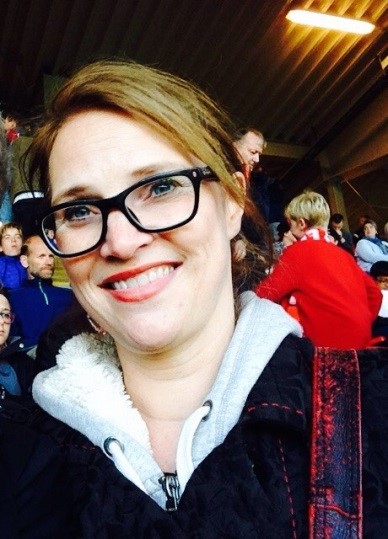
Jorun Rugkåsa is a Senior Researcher at the Health Services Research Unit, Akershus University Hospital and Professor at the Centre for Care Research, University College of South East Norway. She is a medical sociologist who, for the last decade, has focused her research on coercion in mental health care and on the role of family caregiving in mental health. From 2008-2014 she managed the OCTET study of Community Treatment Orders in England.
She is currently involved in numerous studies, and has published two books and around 60 original articles on coercion in mental health care.
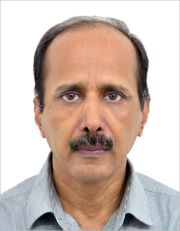
Dr Pratap Sharan is a Professor at the Department of Psychiatry, All India Institute of Medical Sciences (AIIMS), New Delhi, where he also officiates as the Professor-in-Charge of Students’ Welfare Services. He has worked as a Member of the WHO International Advisory Group for the Revision of ICD-10 Mental and Behavioural Disorders (2009 – 2018) and the International Advisory Group for Training and Implementation for ICD-11 Mental, Behavioural and Neurodevelopmental Disorders (2018 -). He is the President of the Indian Association for Social Psychiatry and had earlier served as the President of the Indian Association for Child and Adolescent Mental Health. He is a Senior Editor for the Journal of Eating Disorders and Associate Editor of the National Medical Journal of India. He has authored about 250 papers, monographs, books, and chapters. His main areas of interest are cross-cutting issues in psychiatry: public mental health, classification of mental disorders, psychometry,psychotherapy, and cultural issues in psychiatry.

Professor Shiro Suda
Tohoku University, School of Medicine, MD, 4/90 – 3/96.
Residency in Psychiatry, Jichi Medical School Hospital, 4/98 – 3/99.
Jichi Medical School, Graduate School, PhD, 4/99 – 3/03.
Positions:
Clinical Fellow, Department of Psychiatry, Jichi Medical School, 4/03 – 8/03.
Postdoctoral Associate, Department of Psychiatry, Yale University School of Medicine, 9/03 – 1/06.
Research Associate, Department of Psychiatry and Neurology, Hamamatsu University School of Medicine, 2/06 – 10/06.
Assistant Professor, Department of Psychiatry and Neurology, Hamamatsu University School of Medicine, 11/06 – 3/11.
Assistant Professor (full-time Lecturer), Department of Psychiatry, Jichi Medical School, 4/11 – 4/15
Professor, Department of Psychiatry, Jichi Medical School, 5/15 – present
Recent Research Interests:
Sociological aspects of adult abuse, development of physical therapy for eating disorders, sleep medicine of elderly and pathography of psychiatric patients.
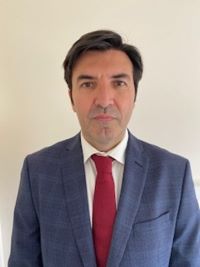
Emanuele Valenti
Emanuele Valenti is an Assistant Professor at the University of Warwick Medical School with a background in medical ethics and qualitative research. He has been involved as a researcher and project manager in the design and implementation of more than ten national and international research projects awarded from European Commission programs (COST, Erasmus Plus, Horizon 2020, Era PerMed) the Instituto de Salud Carlos III (Ministry of Health) in Spain, Wellcome Trust and National Institute for Health Research in the United Kingdom. For over a decade, he has been a lecturer in medical ethics at the Medical School of the European University in Madrid and the Deputy Director of the Instituto de Ética clínica Francisco Valles, Madrid, Spain. Since 2018, he has worked as Senior Research Associate in Healthcare Ethics at the Centre for Ethics in Medicine at the University of Bristol Medical School in a Welcome Trust funded project about best interests decision making, Balancing Best Interests in Health Care, Ethics and Law (BABEL), where he is an Honorary Senior Research Associate.
His research interests are oriented toward exploring the ethical issues of using influence strategies in mental health services, particularly formal (overt) and informal (covert) coercion. His research uses empirical bioethics methodologies to align theory and practice, descriptive and normative features of clinical decision-making in mental health.
Since his Ph.D. doctoral dissertation, he has been using qualitative methodology to explore mental health patients’ and professional perceptions of involuntary treatments and the use of leverages and pressures in hospitals and community mental health care services. He also analysed the different theorisations of coercion from a multi-disciplinary angle, including political and analytical philosophy, sociology, social psychology, and law.
He has been involved in two main projects about coercion led by Professor Stefan Priebe at the Unit for Social and Community Psychiatry: the “InvolvE Study” (Outcomes of involuntary hospital admission in England) funded by the Department of Health, UK about formal coercion and the “Covert Coercion Study” (Informal coercion in psychiatry a focus group study of attitude and experiences of mental health professionals in ten countries) supported by the Unit for Social and Community Psychiatry and aimed to explore the perceptions of mental health professionals about the use of pressures and leverages in community mental health care.
 Coercion in Psychiatry